Conclusion
Summary of Key Findings
On the whole, as mentioned previously in the study approach, we analyzed the SRF technology through the consideration of stakeholders and BMH companies, aiming to promote a society that adopts more efficient and eco-friendly methods of converting waste into green energy aiming to promote a society that adopts more efficient and eco-friendly methods of converting waste into green energy.

Our teammate street interview
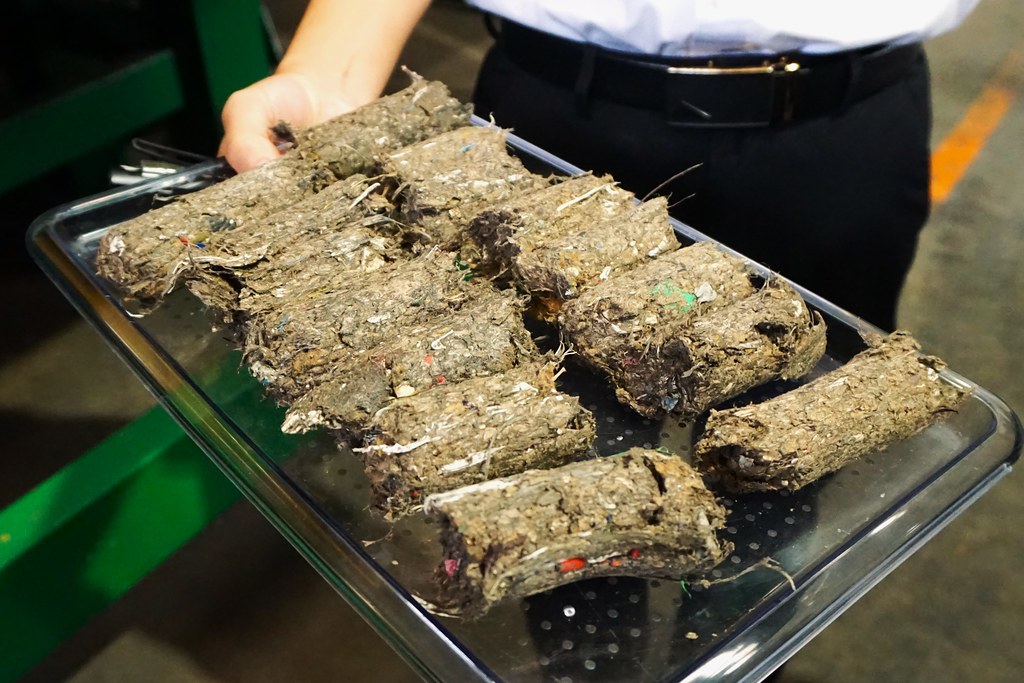
Our research included interviews with the Dakim Environmental Protection Enterprise Corporation among the BMH technology, and the street interview with citizens at the Linkou night market. Through the interview with the BMH company, we’re able to understand a more transparent overview of how the SRF technology works, and its high potential to reduce carbon emissions.
However, the most common finding and problem existing in the field of SRF is the fact that the general public in Taiwan has very limited knowledge of SRF technology, often leading to misconceptions such as “SRF is just burning waste.” Thus, we realized that society needs to raise the promotion of SRF in order to gain the support and the correct concepts of SRF.
Call to Action
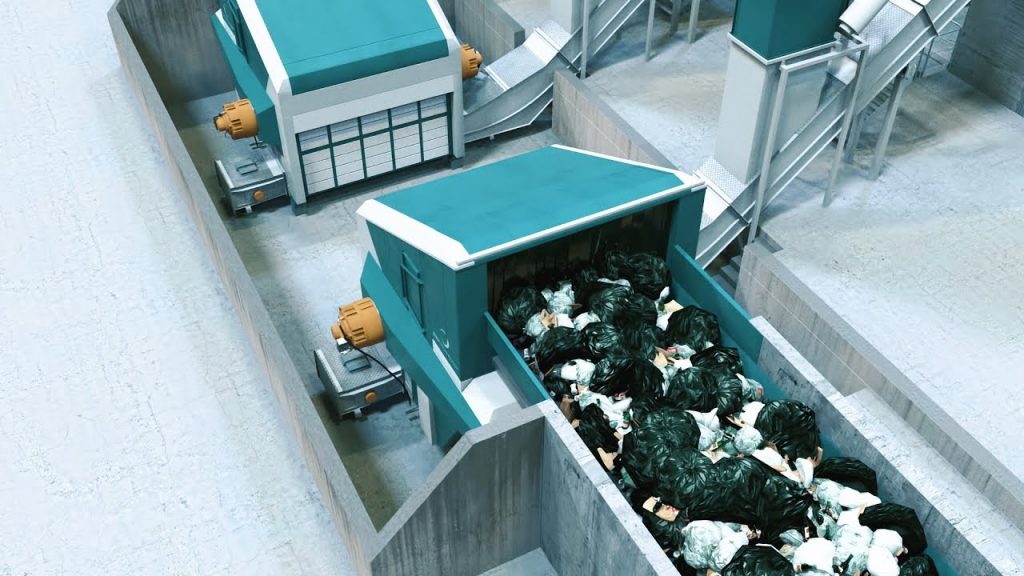
After conducting extensive investigations, interviews, and research, we aim to further engage the public and promote recognition of Solid Recovered Fuel (SRF) as a viable solution to the planet’s pressing waste crisis. We strongly encourage schools, communities, and organizations to integrate SRF and waste management topics into their educational programs. By doing so, individuals can be inspired to learn about SRF and advocate for its adoption within their local communities. Early education on SRF can also motivate younger generations to actively participate in recycling programs and other initiatives that prioritize sustainability, fostering a long-term cultural shift toward environmental responsibility.
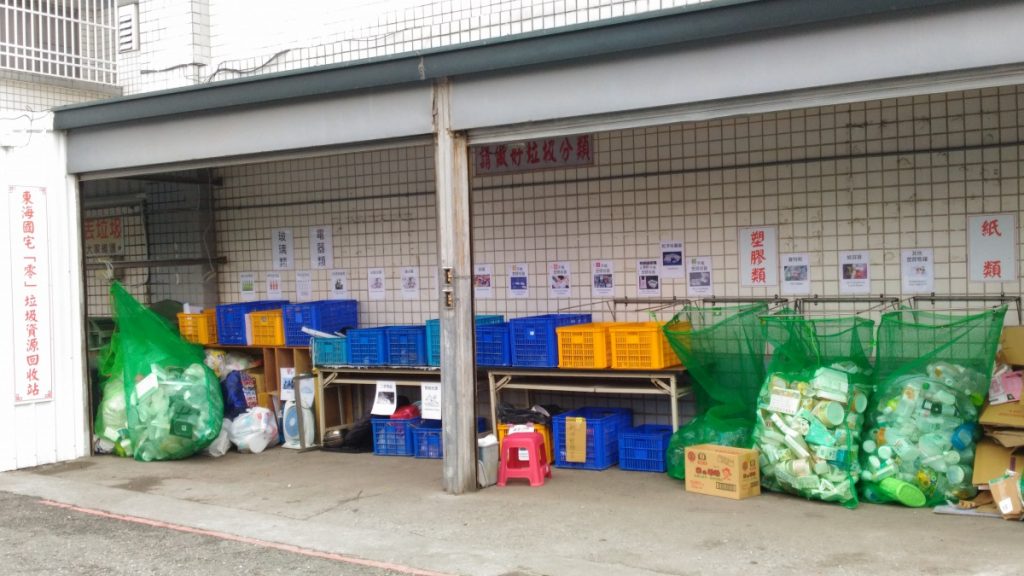
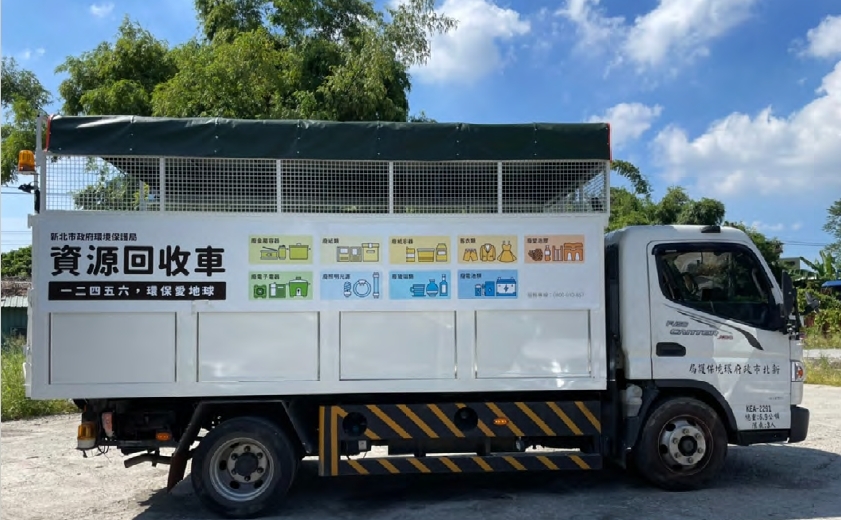
In addition, we call on businesses and municipalities to explore SRF as a sustainable waste-to-energy solution in their waste management systems. Adopting SRF technologies not only reduces the burden on landfills but also minimizes industries’ carbon footprints, contributing to a cleaner and more sustainable environment. To support these efforts, we urge governments to create incentives and regulations that facilitate the implementation of SRF technologies. These measures could include financial subsidies for SRF projects, stricter waste management policies, and public-private partnerships to accelerate adoption.
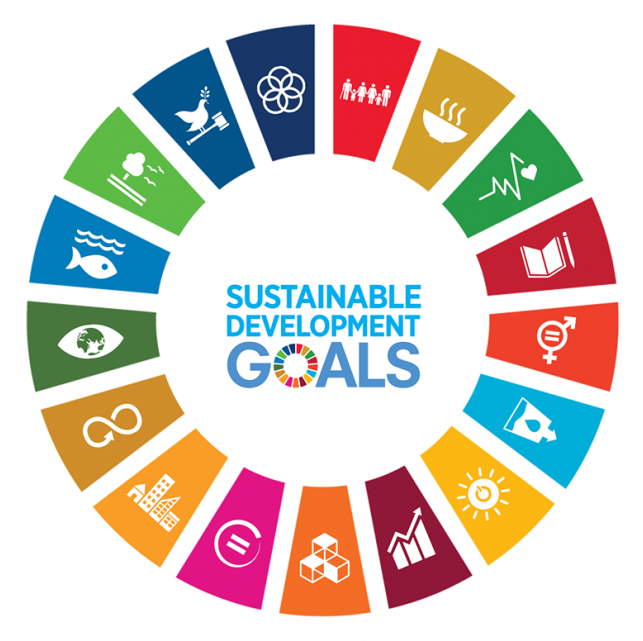
By pursuing these actions, we can position SRF as a key component of global efforts to achieve the United Nations’ Sustainable Development Goals (SDGs). Specifically, SRF aligns with SDG goals such as responsible consumption and production, climate action, and building sustainable cities and communities. Through collaborative action among individuals, businesses, and governments, SRF can become a cornerstone in addressing the waste crisis and paving the way for a more sustainable future.