Human Practices
INTERVIEWS
Public Survey
SRF’s understanding (google form)
Purpose and Overview
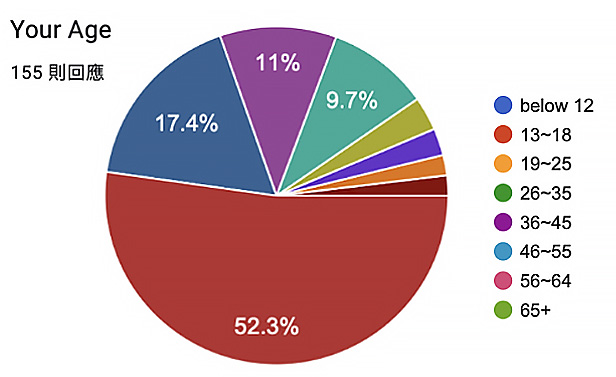
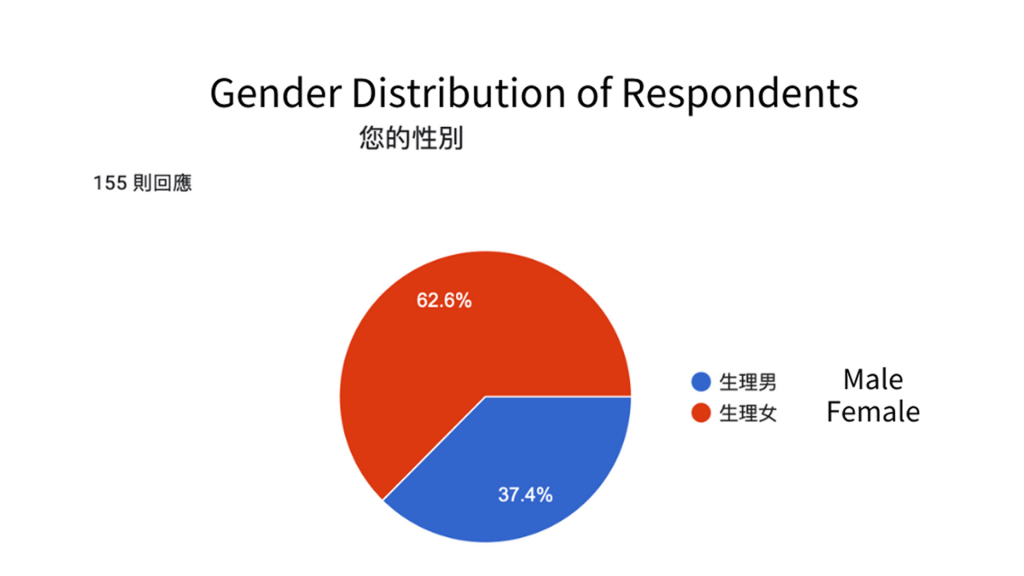
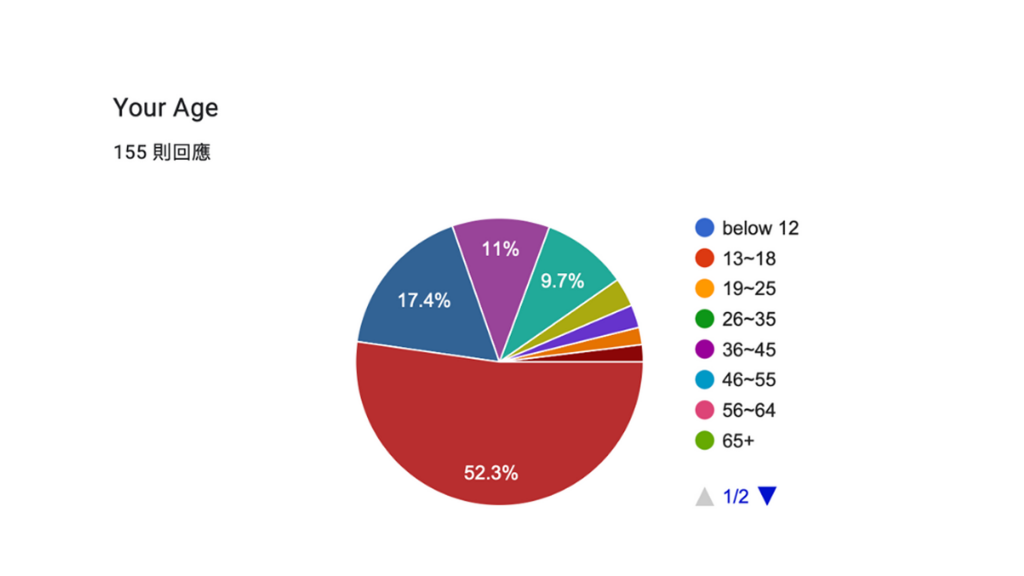
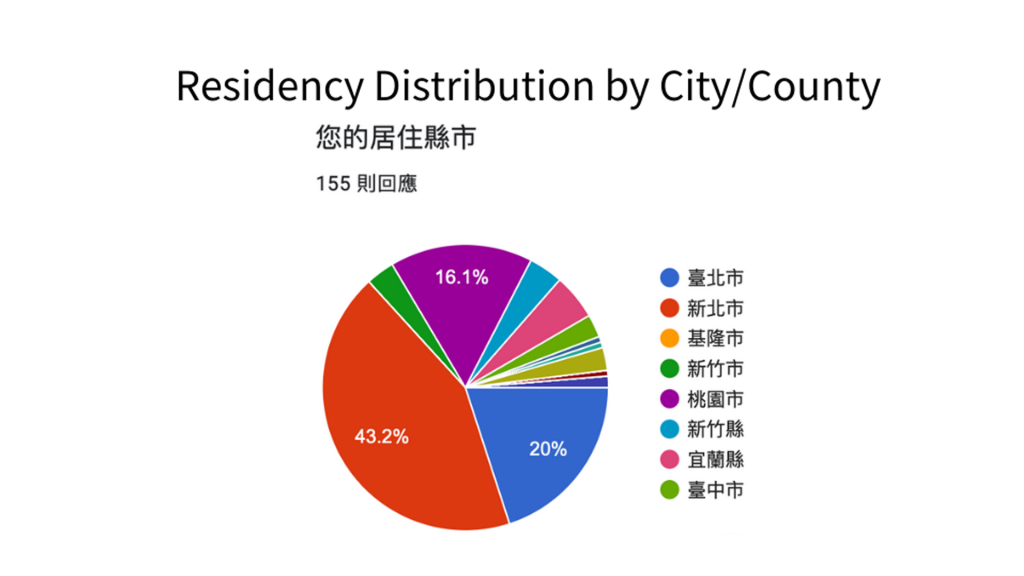
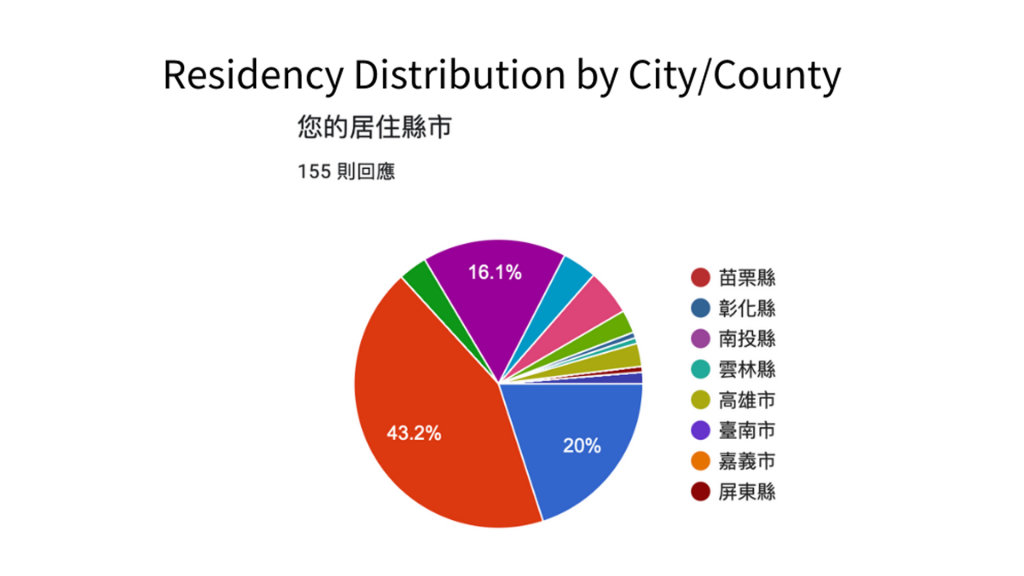
The purpose of this survey was to gather public opinions on the topic of SRF and its potential applications. To ensure diverse perspectives, we targeted a wide range of respondents, including students, employees, and individuals from other common professions (fig.1).
Methodology
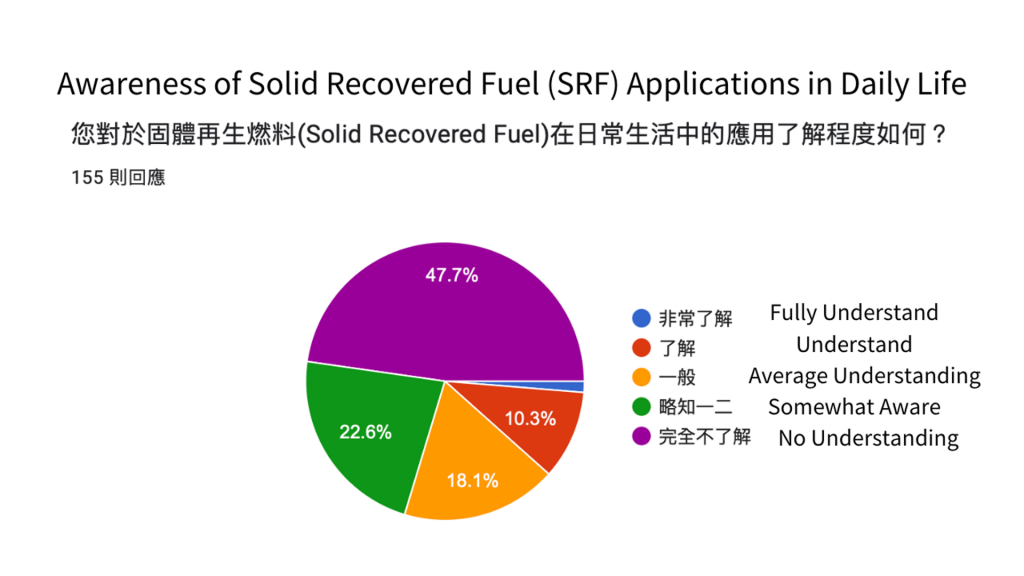
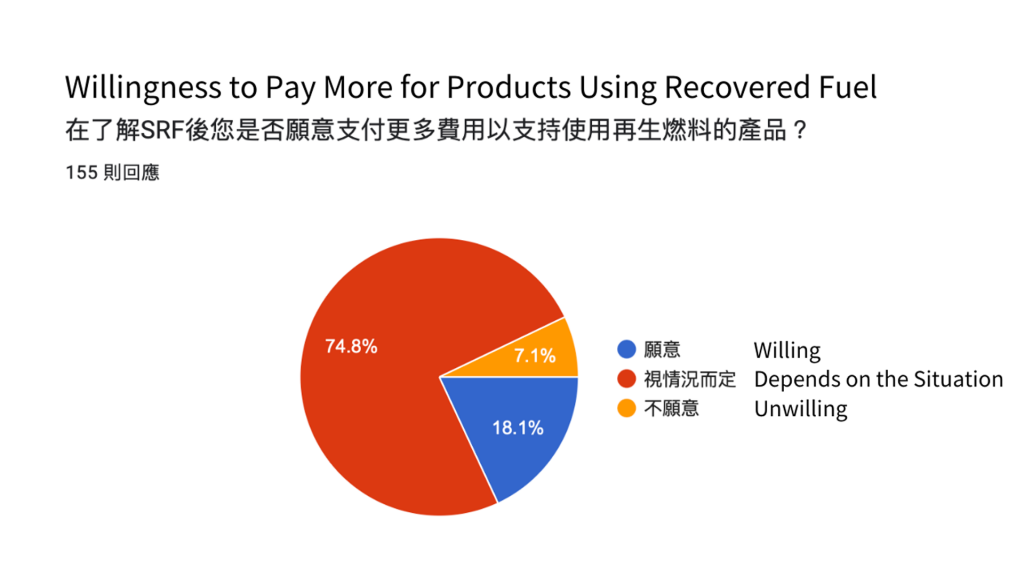
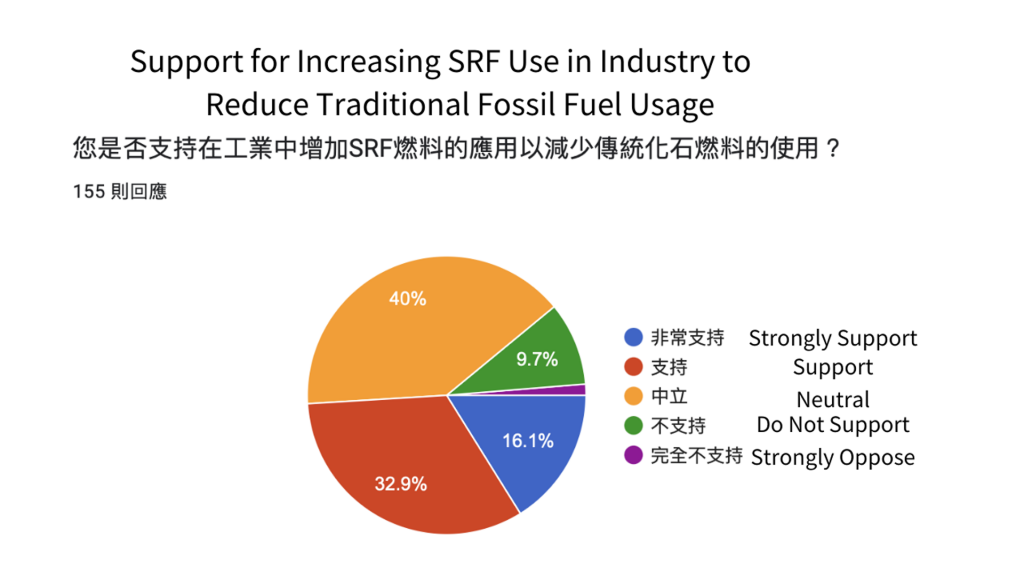
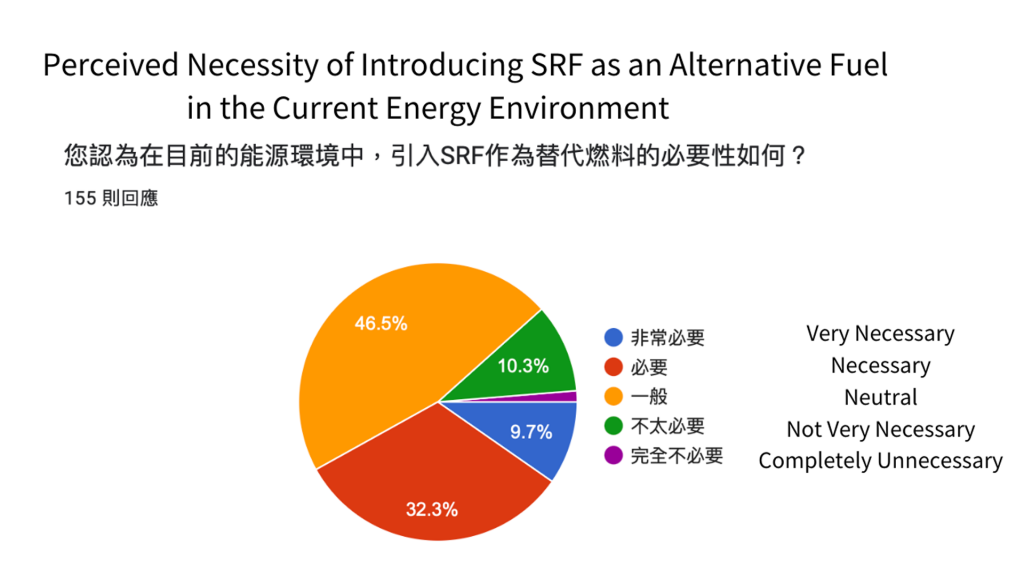
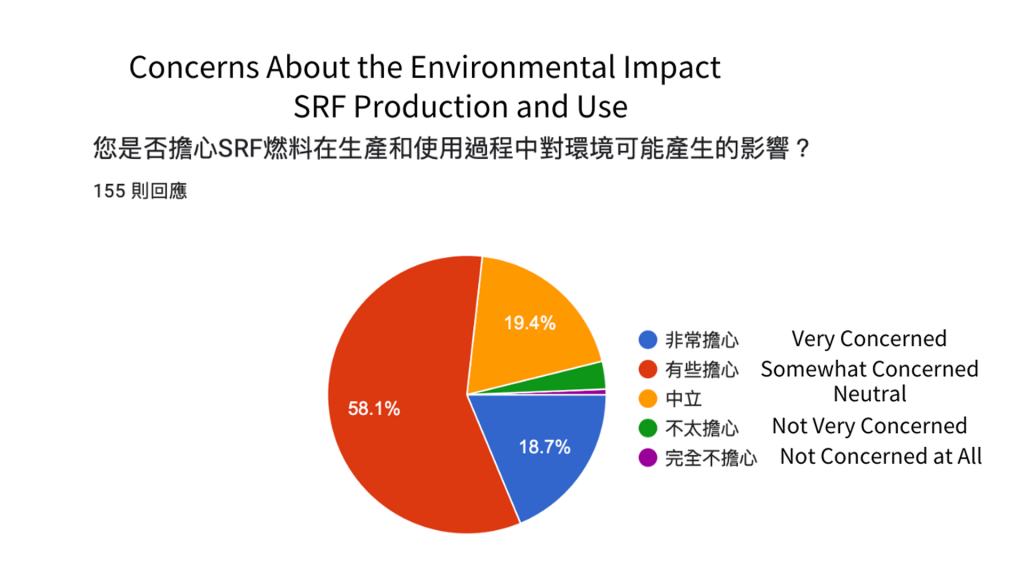
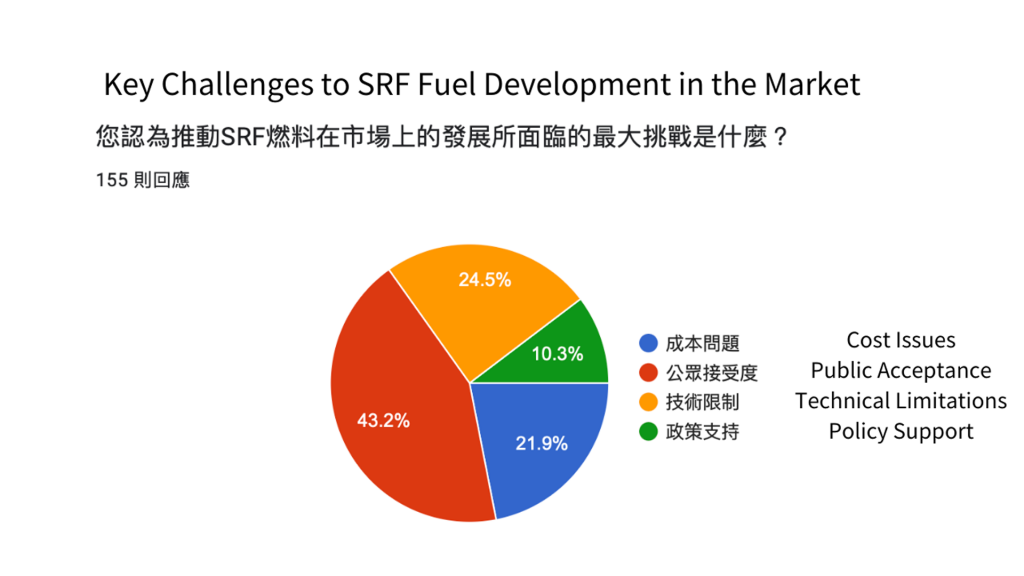
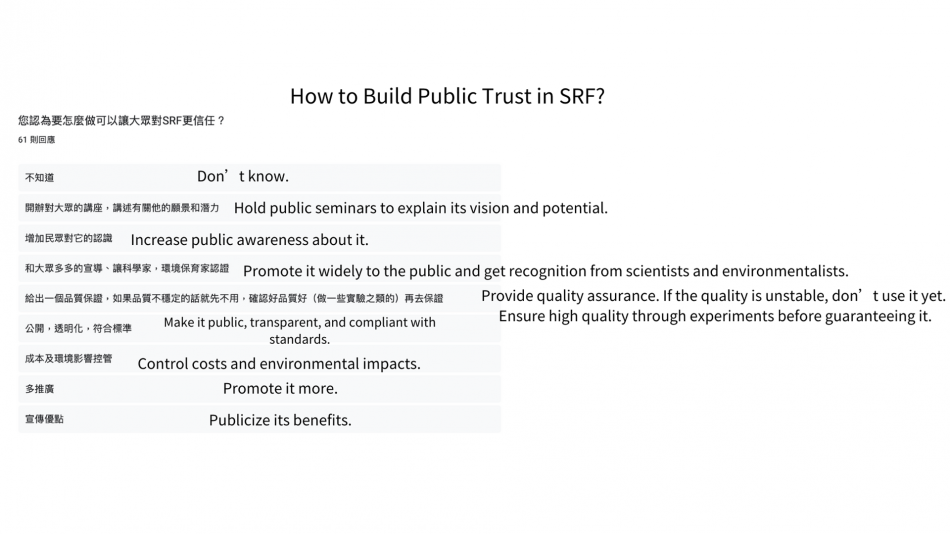
The survey was open for one week, during which we collected 155 valid responses. Participants represented various professional backgrounds, providing a broad view of public attitudes toward SRF related issues. By analyzing these responses, we aim to better understand public awareness, acceptance, and concerns of SRF and its potential role in Taiwan’s society.
PUBLIC SURVEY
The primary purpose of conducting the street interview was to assess public familiarity with the concept of Solid Recovered Fuel (SRF) and to raise awareness about its potential as a solution to the global trash crisis. Our aim was to highlight the urgent need to address the growing waste problem and introduce SRF as an innovative approach to managing it. We chose night market visitors as our target audience, as this demographic primarily consists of students, tourists, and parents—a diverse and representative group.
However, conducting interviews in this setting came with challenges. Many Taiwanese people are often hesitant to participate in interviews, expressing discomfort or uncertainty about the process. Despite this, we remained optimistic, knowing that some extroverted individuals would be open to engaging with us. Our questions included straightforward inquiries like, “Have you ever heard of SRF?” and more interactive, open-ended ones such as, “Would you like to guess what it is?” To make the experience more engaging, we incorporated activities like placing stickers on a yes/no board to visualize the level of awareness about SRF among the participants.
Surprisingly, none of the respondents in the night market were familiar with SRF, leading us to conclude that public awareness of this concept is severely lacking in Taiwan. This finding contrasts with our earlier interview with an SRF company representative, who emphasized the importance of introducing such concepts to individuals at a young age. In European countries, for example, recycling and waste management education is integrated into early education, fostering a strong sense of responsibility toward environmental sustainability. Our findings underscored the need for similar educational initiatives in Taiwan to bridge this gap in awareness and consciousness about SRF and recycling practices.
GARBAGE INSTALLATION PROJECT
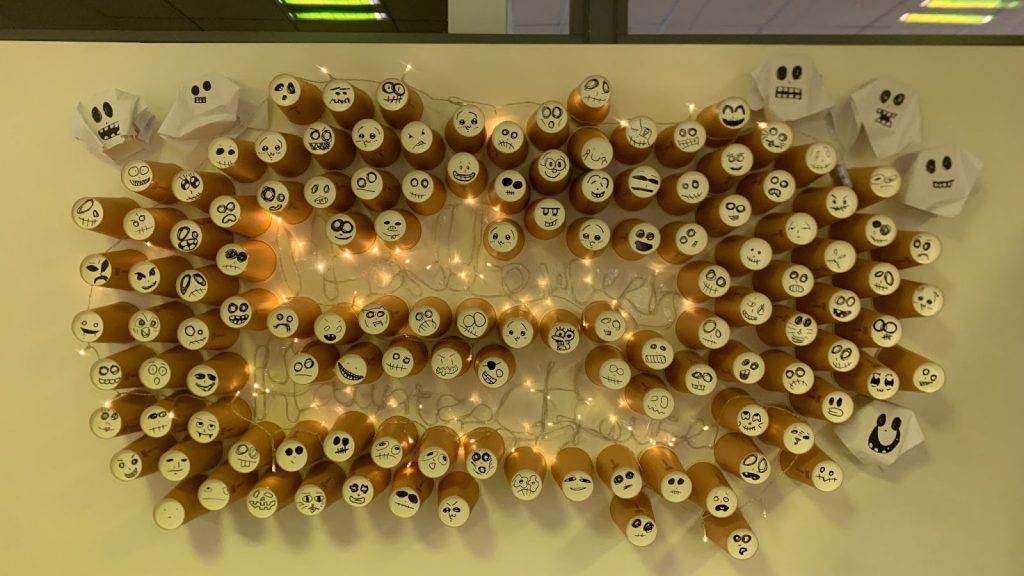
After our interview with the Dakim Environmental Protection Enterprise Corporation’s CEO, we gained a deeper understanding of the importance of classifying waste into the proper categories, which motivates us to use materials that are easily accessible in large amounts, such as the school’s milk boxes and paper cups, to create our artistic project. We decorated the school’s wall by using these cups to make an artistic display which suits Halloween. This effort demonstrates our ongoing commitment to transforming seemingly worthless materials into a visually appealing Halloween display that is able to convey a strong message about the importance of recycling in addition to acting as a festive symbol. We had faces with different expressions that were hand-drawn in the style of cartoons. The milk boxes were covered in white paper and folded to create the appearance. The Halloween themes fit neatly with those face expressions. In order to illuminate the setting and add to its festive feeling, we use warm string lights that hang through the design. This waste management project successfully raised awareness about the importance of recycling within our school. Our students’ lack of sustainable recycling practices is the main focus of our motivation for this project. Wasteful material management has led to a negative effects to SRF, which will reduce the SRF’s processing efficiency and increase pollutants such furans, dioxins, and heavy metals.