

SRF Technology
(Waste Refining Solutions)
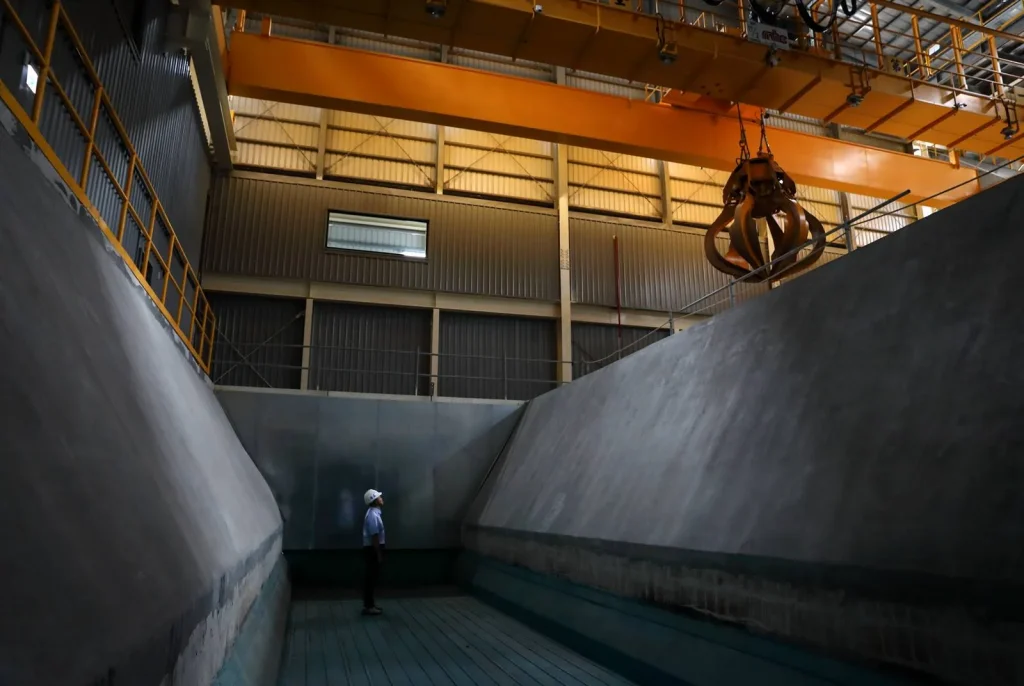
Solid recovered fuels (SRF) are an innovative solution for converting non-hazardous waste materials into a valuable energy source. These fuels are primarily derived from the non-recyclable fractions of commercial and industrial waste streams, including materials such as paper, plastics, textiles, and wood. The production process involves several critical steps: waste is collected, sorted to remove recyclables, shredded, and treated to eliminate contaminants like metals and moisture. This meticulous treatment results in a homogeneous fuel characterized by a high calorific value, making it a viable alternative to traditional fossil fuels.
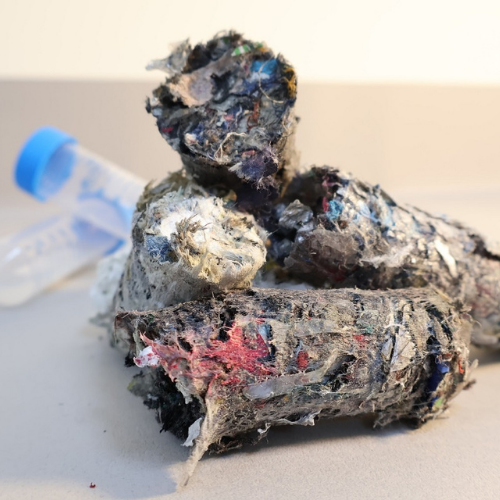
Following EN-15359 regulation
- Net calorific value ranging from 15 to 25 MJ/kg
- Chlorine levels capped at under 1%
- Mercury content limited to below 0.08 mg/MJ
These requirements are essential for minimizing harmful emissions during combustion and contributing to energy recovery but also aligns with broader environmental goals aimed at reducing waste and promoting sustainability.
(BMH Technology)
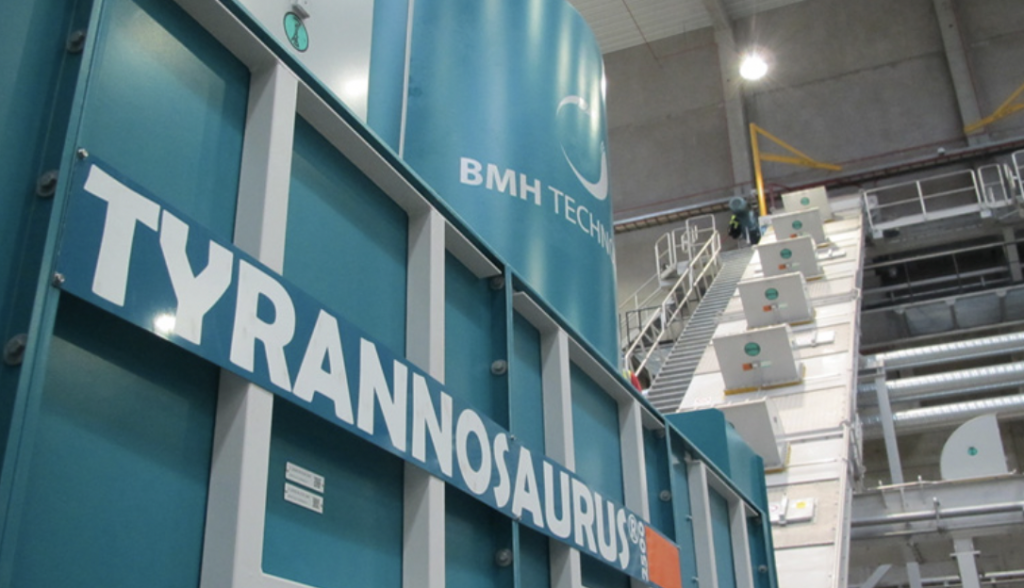
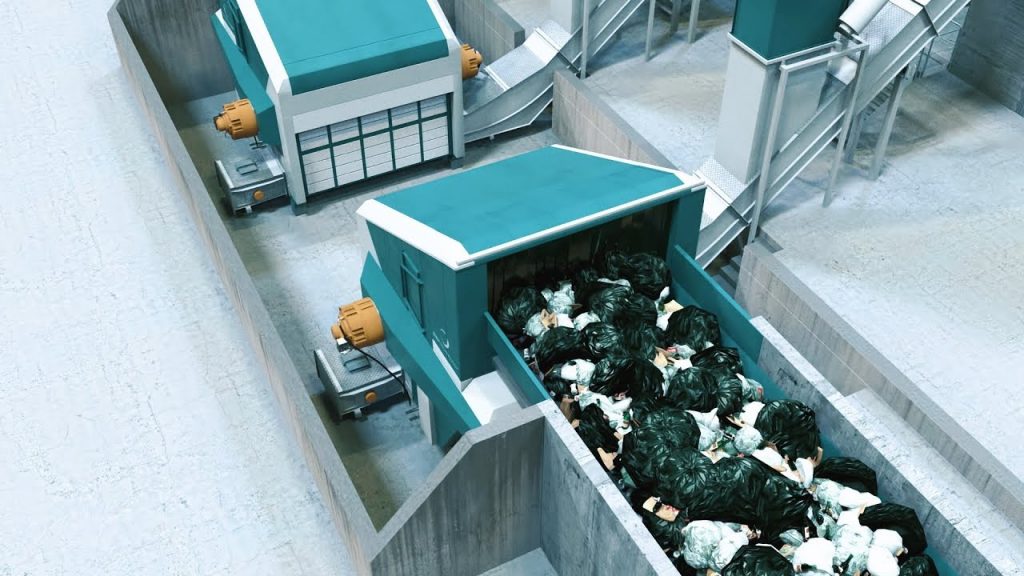
The production of SRF is part of the larger framework of waste management strategies that emphasize resource recovery and circular economy principles. The process typically takes place in specialized facilities where non-recyclable waste is processed through mechanical biological treatment units. After the recyclable components are extracted, the remaining materials undergo primary crushing, drying, classifying, secondary crushing, and pelletization (Solid Recovered Fuels – Specifications and Classes, 2014). This multi-step approach ensures that the final product meets specific quality criteria required for its intended applications in industries such as cement production and energy generation.
(BMH Technology)
Lastly, utilizing SRF represents a significant advancement in sustainable waste management practices. By transforming materials that would otherwise contribute to landfill waste into a renewable energy source, SRF plays a crucial role in reducing environmental impact. Its adoption not only helps mitigate reliance on fossil fuels but also supports industries in achieving their sustainability targets. As interest in renewable energy sources continues to grow, solid recovered fuels are poised to become an increasingly important component of global energy strategies.
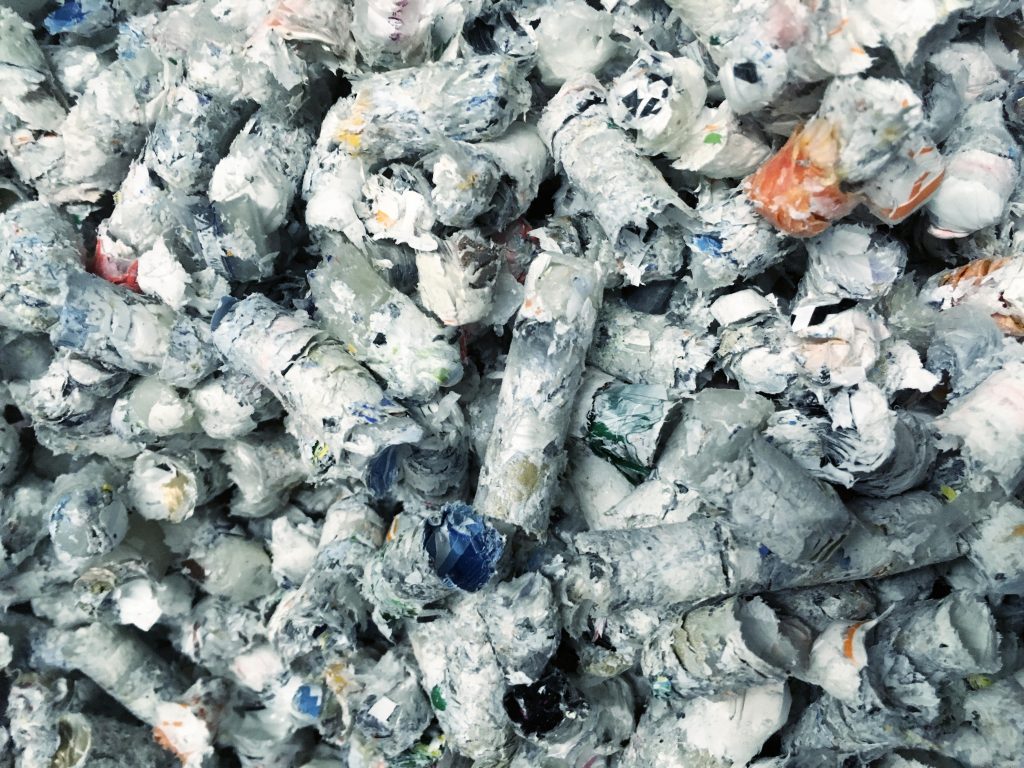
SRF Results
(ANDRITZ AG)
Energy Waste to High-Quality Fuel (< 80mm)
- This system processes dry ICW or MSW to produce high-quality SRF
- The plant can process up to 80 tons of waste per hour, yielding 60%-95% SRF
- This would convert to around 40-50 MW of electricity generation, equivalent to 390,000 MWh per year
- Annual waste capacity of 100 to 1000 thousand tons per year
The BMH system provides a fruitful, sustainable, and robust solid fuel for generating heat and electricity. This system processes dry ICW and MSW with the highest quality of equipment accounting from the BMH technology. Not only can the factory process up to 80 tons of waste per hour and to a capacity of 100 to 1000 thousand tons per year, it can also exquisitely shape the waste into flaky SRF that is under 80mm. As a sustainable product, can help reduce greenhouse gas emissions while resolving the immense quantity of landfills. SRF is widely seen in the markets of cement plants, thermal power plants, cogeneration plants, and many more showcasing the feasibility of the system.