

Reflection
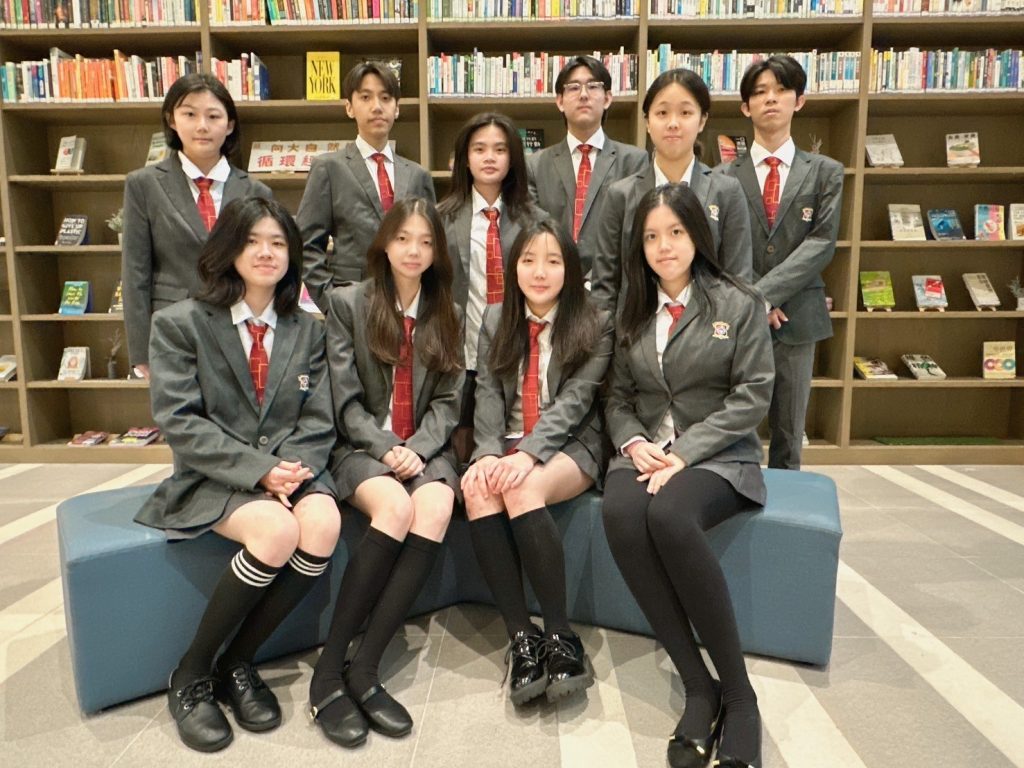
Ginia Wu
This experience opened my eyes to the potential of SRF in Taiwan and globally as an alternative fuel solution, reducing the volume of waste in landfills and incinerators. To sum up, I gained a deep appreciation for the complexity and impact of SRF production and left feeling motivated to support environmental solutions that align with circular economy principles.
This time we have obtained a special chance to visit Dakim Environmental Protection Enterprise Corporation on 11/8. The place was absolutely mind-blowing. We got to see the company’s most advanced technology to produce SRF.
They have introduced waste management technologies from the BMH technology company from the Netherlands to Taiwan. This does not only successfully increase the commercial network worldwide and also makes Taiwan’s environment better as a whole. They strictly followed the EU’s regulations to ensure the solid recovered fuels (SRF) had high qualities. The reason that we chose this place for interviewing was because we wanted to promote the unsung heroes of Taiwan and those unspoken sufferings of different companies.
During our visit, we first listened to a professional in the field of SRF to ask us about the system that their company is invested in.
Moreover, the manager took us to the production line of SRF. Within the factory, we are taken to a place where we are able to overlook the different machines, claws, and assembly line. We were told and explained multiple details that the company values to ensure the highest quality of safety, efficiency and reliability. That part is especially fascinating because when all of those unseen details are floating onto the surface many hidden facts are revealed right in front of your eyes.
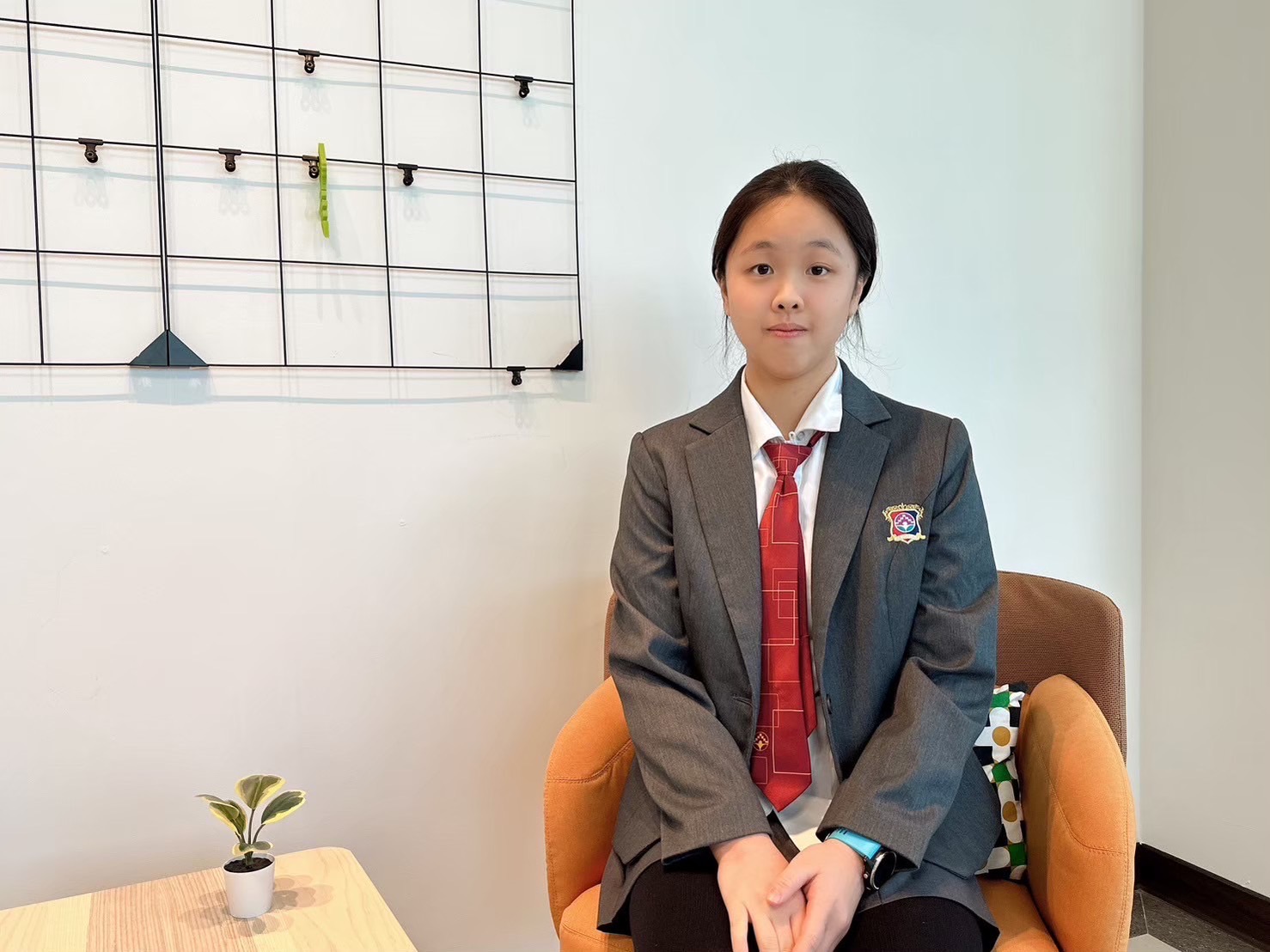
From this interview we can tell that the company is very well-organized and the mechanism behind the production line is full of details. One thing that is kept on top of my head is how the company creates its entire system, from selling to transporting and managing. The company has its own vision and unique way, I guess this is their secret to become a sustainable corporation. In the future, I hope I can use this experience to operate my own company and make it great!
Amy Chen
As I participate in the international cyber fair for the second year, this topic is most attractive for me in which it involves innovative solutions for a sustainable future using technology that turns waste to something new for industrial use. This research journey has truly made me realize how much I love and am deeply passionate about the topic of Solid Recovered Fuel (SRF). Every time I delve into it, I feel a strong sense of purpose, as though I am contributing to making the world a better place. To me, this isn’t just a scientific or environmental issue, it represents hope for a more sustainable future.
While the concept of SRF might initially seem technical and complex, the more I explore, the more I am inspired by its potential. It serves as a viable alternative to traditional fossil fuels while simultaneously reducing waste—a win-win solution that excites and motivates me. I especially enjoy analyzing the attitudes and acceptance levels of different age groups towards SRF because it provides insight into how this issue resonates across society and challenges me to think of more effective ways to promote it.
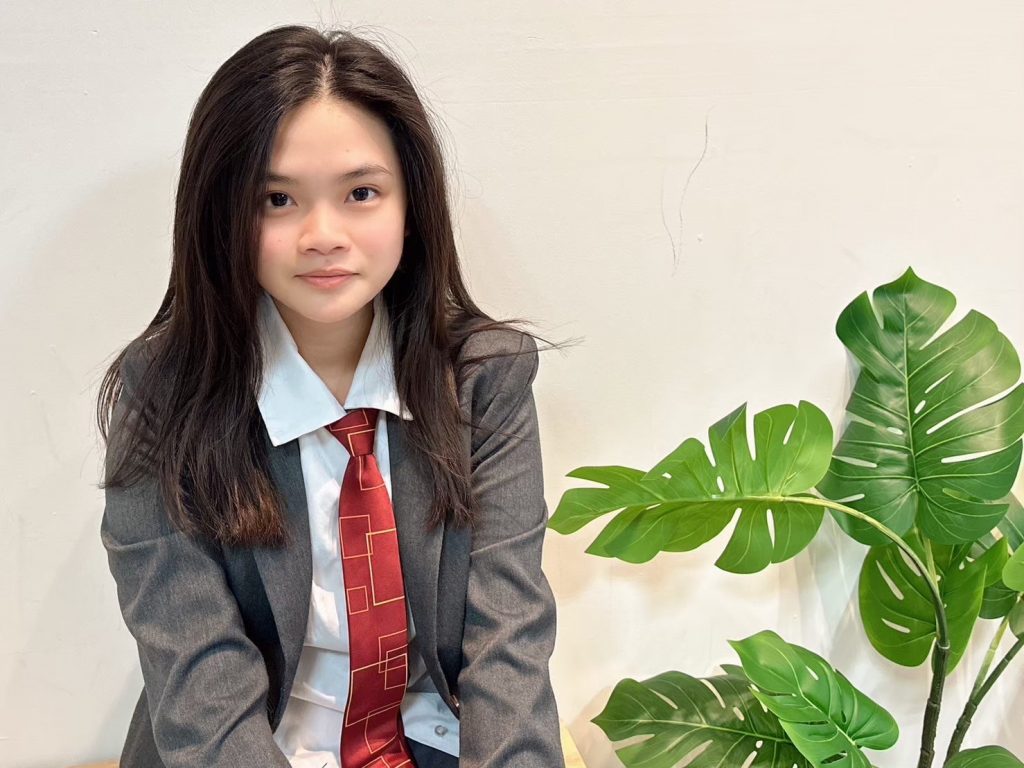
Every discussion on this topic fills me with passion because it directly relates to the future of our environment, and this is the technology that is new to Taiwanese society. I find great satisfaction in considering SRF from all angles, from technical aspects to policy implications, from economic feasibility to environmental impact. This multi-dimensional approach not only enriches my understanding but also fuels my desire to be actively involved in driving change.
In essence, I engage in this topic because it allows me to integrate scientific knowledge with social responsibility. I hope to continue exploring this field in greater depth and, perhaps, make it a focus of my future studies or career. My passion for this project, SFR, will undoubtedly keep motivating me to move forward and make a meaningful impact.
Tzu-Yu Huang
On the most thrilling Friday, we, the fuel guardians, went to the Dakim Environmental Protection Enterprise. The moment I stepped out of the car, I’m shocked by the massive and clean infrastructure of the SRF processing. Welcomed by the Dakim Environmental’s CEO, we’ve started setting our equipment and preparing for the interview. Surprisingly, they’ve presented a half-hour presentation about the history of their company and the built-in technology of SRF. In specific, since my division is to focus on the exploration of the BMH technology, the acknowledgment of the more depth functions of each machinery does become the most admired part.
Not just the verbal interaction during the interview, they also invited us to walk through the inner factory in which it was truly just the same expectations I’ve predicted. However, being able to explore each machine in real life is what really amazed me that triggered my curiosity of the company. After the tour of the factory, we went back to the meeting room for the final session of the interview. It was a really interesting time as a videographer as I zoom in and zoom out checking among how people interact.
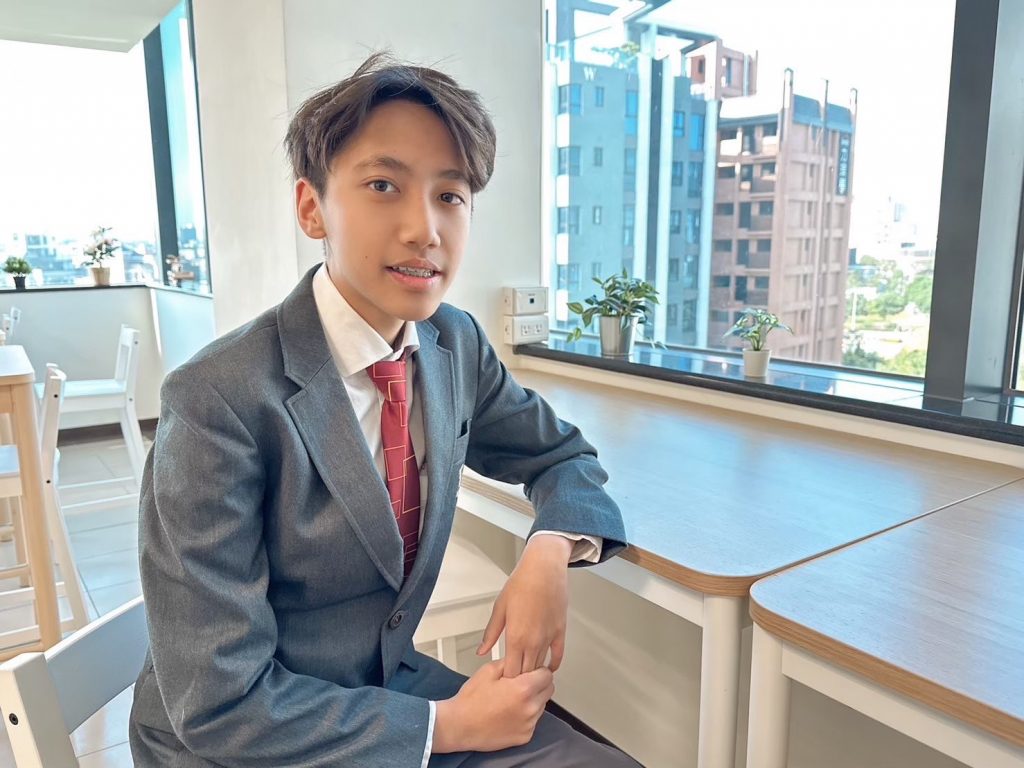
As a videographer, I couldn’t resist my curiosity, and provoked three random questions at the end of the interview:). One of the impressive parts was that they are going through trial operation, and will immediately start formal functioning a few months later. I’m very excited about the part where they said they will open the factory to all citizens in order to promote SRF. This is where I think this company is different as this company focuses not only on the production, but also the human practices that also acknowledge the SRF idea towards the entire Taiwan. Oh yea, one of the surprises at the end was that they gifted each of us one of their own customized mugs as a first-time gift. Not to say, but this is truly an unforgettable lesson that can never be weighed with the ordinary afternoon school life.
Leo Wu
A week before our visit to Dakim Environmental Protection’s Guanyin Plant, we organized a detailed plan and assigned tasks to each team member. Responsibilities included creating a checklist, dividing tasks, and preparing everything necessary for the visit. Our assignments covered interview transcription, note-taking for visit reflections, preparing verbatim reports, video editing, website structure design, content updates, and final edits. We also applied for official leave and planned the itinerary to ensure everything went smoothly on the day of the visit.
On the day of the visit, a gentle breeze accompanied the slightly overcast sky as we set off in two cars, taking about half an hour to reach the Guanyin Plant. Upon arrival, we were warmly greeted by the staff, who introduced us to SRF (Solid Recovered Fuel), explained the SRF production process, the methods used to exclude unsuitable materials, Dakim’s business principles, and their future plans. This gave us a solid understanding of their environmental initiatives and strategic goals.
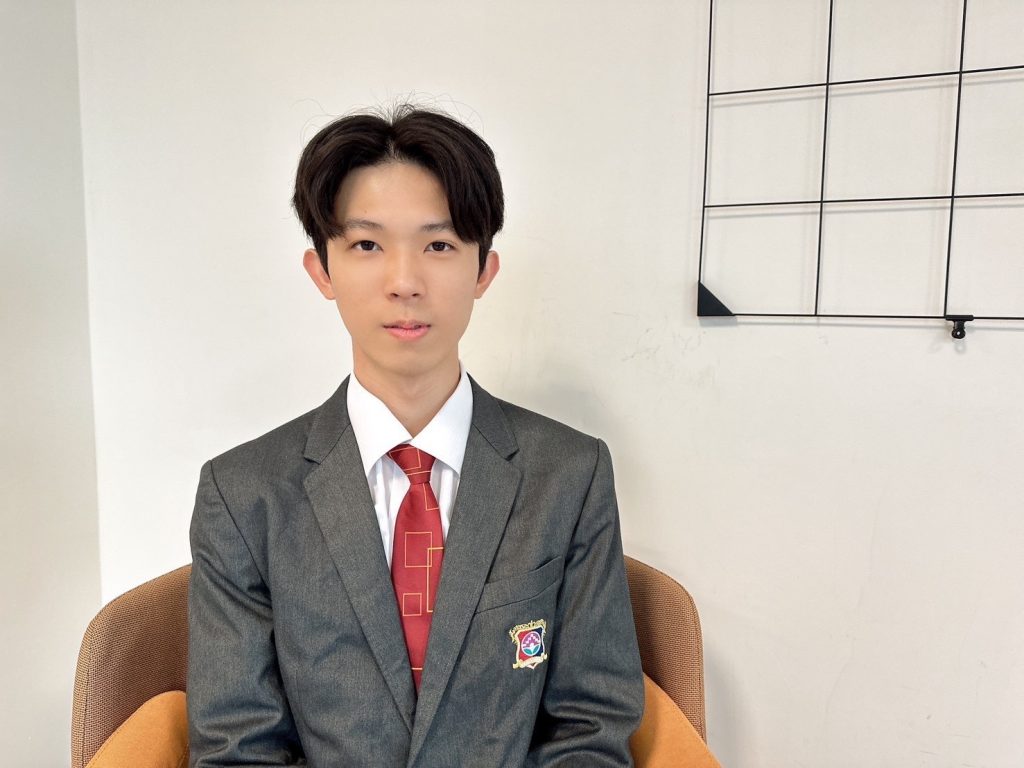
After viewing the equipment, we entered the central control room. This area felt like something out of a movie, with a heat-sensing system displaying real-time temperature readings to provide early fire warnings and minimize potential losses. Lastly, we moved on to the interview segment. Our senior team members set up the equipment and prepared seating, and the CEO joined us for a prepared Q&A session. We inquired about the inspiration behind building the SRF plant, 6 expectations and goals for the SRF industry, the operational model, industry controversies, plant processes, emerging markets and their driving forces, and other topics. The CEO answered comprehensively, also explaining the company’s commitment to environmental regulations, quality control, and how they ensure the consistent thermal value of SRF across different plants. We also discussed ways to promote local SRF awareness, their partnership with Finnish companies, the SRF’s role in reducing carbon emissions, and the CEO’s advice for students interested in entering the field.
When the interview concluded, the CEO kindly gifted each of us a mug, and we took several group photos to commemorate the visit. With the visit wrapped up, I opted to part ways with the group and took a taxi home, feeling fulfilled and inspired by the experience.
Sophia Su
As soon as I entered it, I found that the layout was very clean and spacious. I felt they might have considered feng shui. There was no one in the first-floor lobby. After a while, a person came down the stairs and asked us to go to the fourth floor. When we got to the fourth floor and sat down to listen to the presentation, the equipment was very new, and the wall colors were bright, giving a rather bright and positive feeling.
The presentation content was mainly about the “BMH Technology” they used, which is a relatively easy cutting technique.
It also covered some of the general manufacturing process, mentioning that their facility has some differences from other factories – their solid regenerative fuel is in the form of thin plates, which burn more easily and reach the transition temperature of 200-400 degrees Celsius faster, thereby reducing the risk of dioxin formation. We also toured the factory, and the equipment in the lab seemed relatively simple but had all the necessary components. In Taiwan, people will put “Kuai Kuai” snacks on critical machines in laboratories to ensure that the machines continue to function properly. The lab cabinets also had stickers of the SILSON company. The factory equipment looked very new, and there were pictures on the nearby walls explaining the different equipment. One regret was that if we had come earlier, we could have seen more. The visit was during the production time, and for safety reasons, we were not able to observe the actual manufacturing process.
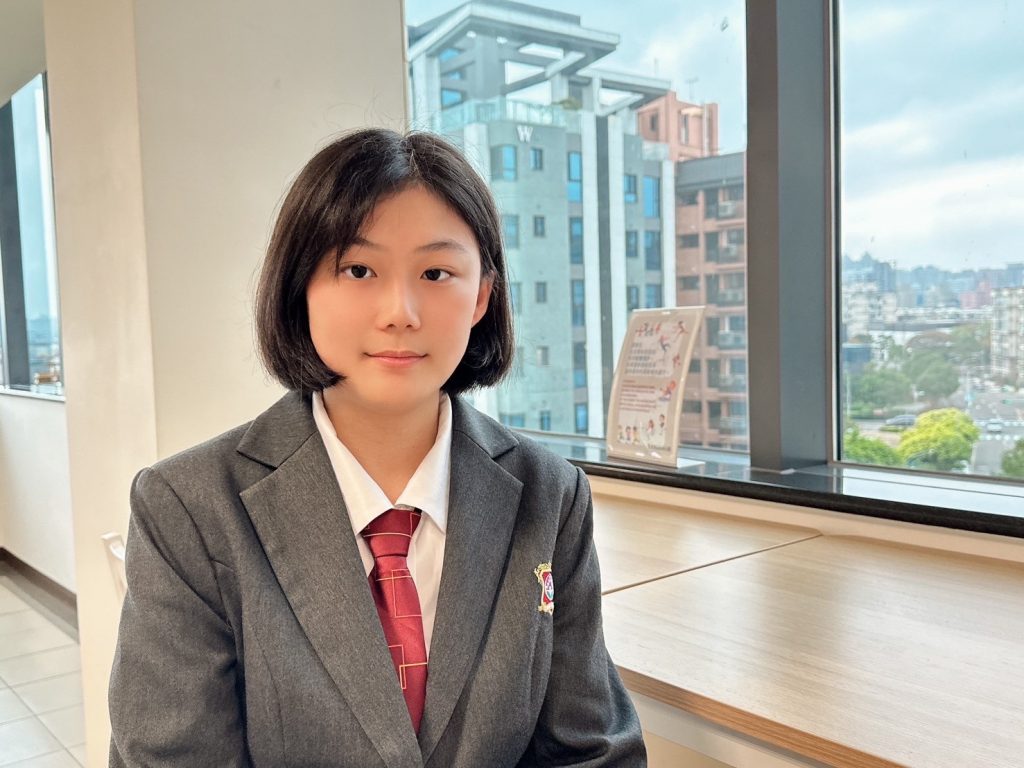
During the interview, the part that left the deepest impression on me was the discussion on how high school students can participate in environmental protection and solid regenerative fuel technology. It was mentioned that regardless of one’s field of study, as long as one has the motivation, they can get involved and implement environmental protection measures in their daily lives. Finally, they gave us a cup as a souvenir, which was a thoughtful gesture.
Vina Chao
On November 8th, we visited Dakim Environmental Protection Enterprise, located in the Guanyin Industrial Park in Taoyuan. Upon our arrival, Dakim had prepared a presentation about their products and how their system operates. The images and videos they showed helped us better understand the various functions of the machines within the system.
Let me introduce the Dakim Environmental Protection Enterprise. This company specializes in collecting various types of waste and converting it into SRF (Solid Recovered Fuel) through the TYRANNOSAURUS system. I was truly impressed by the system’s efficiency and safety when they presented it to us. The process begins by shredding the waste, followed by filtering out reusable materials to produce SRF. This ensures the combustion quality and efficiency of the SRF. After the presentation, we visited the second floor, where we could view the machines through a glass partition. Unfortunately, we couldn’t see the machines up close, which was a bit disappointing. Nevertheless, the company prioritizes transparency in its production process, welcoming citizens to visit and ensuring the public can clearly understand how SRF is made and its benefits. Additionally, there were some aspects of the visit that pleasantly surprised me. For example, there was no unpleasant smell near the factory, as they had thoughtfully addressed ventilation issues through careful design.
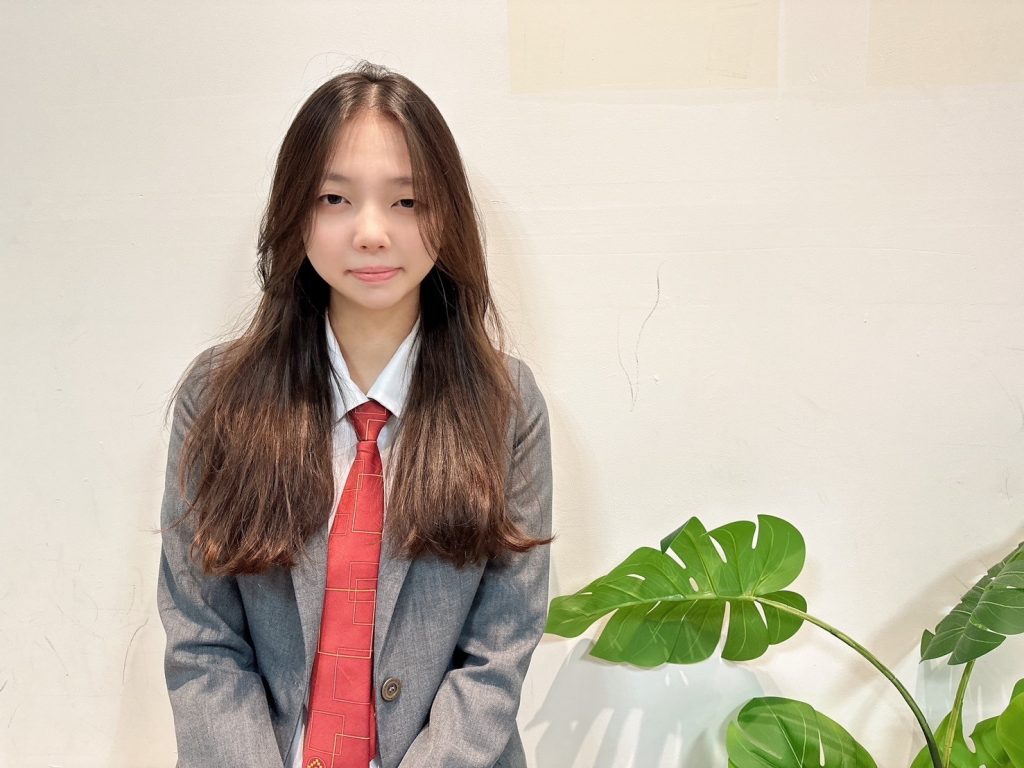
During our interview with the CEO, we discussed the issue of the public against the SRF factory, he emphasized the importance of fostering environmental awareness from a young age to increase public acceptance of SRF. Everyone can contribute to environmental protection by practicing basic waste segregation. Simply rinsing food containers after use can help create a cleaner Taiwan. What’s more the CEO said that there is a common public misconception that the SRF production process results in chlorine emissions. However, few people realize that coal, which is frequently used for combustion, contains even higher chlorine levels than SRF. The CEO introduced this mature circular economy system, widely used abroad, and explained how they are implementing it in Taiwan.
Kian Chen
Visiting a company that specializes in converting waste into fuel offered a unique, eye-opening perspective on the potential of sustainable technology and the positive impact it can have on the environment and society. We visited the Dakim company on a wonderful Friday. The company’s chief officer first used a complete and appealing presentation to guide us through various information, including how the company formed, what it focuses on, and how SRF actually works. It was fascinating to see how it negotiated with foreign countries to introduce the BMH TYRANNOSAURUS® to Taiwan and try to serve as one of the leaders and contributors to Taiwan’s business and environment. We were invited to tour Dakim’s SRF production facility after the presentation.
These massive pieces of equipment process substantial quantities of waste efficiently. Moreover, the level of organizational attention to detail that they have was also impressive, which clearly stated why they are successful and how SRF can actually be things that contribute to our planet. Overall, as someone with a background in both business and environmental science, I found this visit truly unforgettable. It not only enhances our knowledge in a related field but also provides a valuable idea for my life and future. Witnessing how sustainable technology intersects with practical business.
Angeline Yang
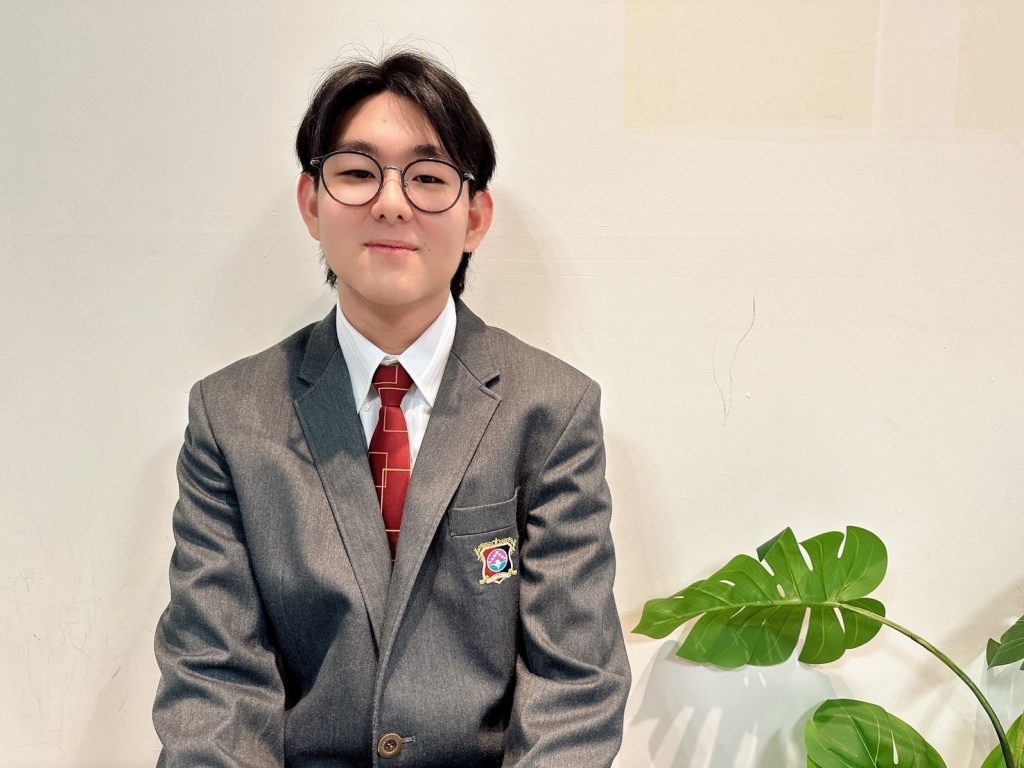
Our educational visit to the Daqing Environmental Protection Enterprise provided invaluable insights into Taiwan’s advanced SRF (Solid Recovered Fuel) production systems. We started with an informative presentation by one of the facility workers, which opened my eyes to Taiwan’s sophisticated approach to waste management and recycling. This systematic approach to waste sorting forms the foundation of their efficient recycling processes and demonstrates Taiwan’s commitment to environmental sustainability.
The facility employs a sophisticated multi-stage process for SRF production. Beginning with the stage of coarse crushing of incoming materials, followed by magnetic separation/EC to remove ferrous metals and non-metals. The process continues with air separation to eliminate incombustible materials and hard PVC. In terms of size processing options, the facility offers standard processing to SRF 80 mm, with additional crushing available for specialized SRF 30 mm if consumers require for so. For plastic containers, a dedicated pre-treatment process has been established. This involves thorough cleaning procedures, followed by precision crushing, and ultimately material reprocessing under the R-0201 classification.
What particularly impressed me was the company’s comprehensive approach to safety and environmental protection. The air pollution control system utilizes cyclone dust collectors and efficiently captures and manages odors and airborne particles, demonstrating a strong commitment to maintaining air quality. The wastewater management system features a direct connection to the industrial zone’s sewage treatment plant, ensuring proper handling and treatment of all wastewater while minimizing environmental impact.
The state-of-the-art fire protection system particularly caught my attention, it includes infrared temperature monitoring in the central control room, electric fire-fighting turrets equipped with foam protection, and the advanced Firefly system with automatic sprinkler activation. These features are complemented by integrated detection systems throughout the production line, creating multiple layers of safety protection.
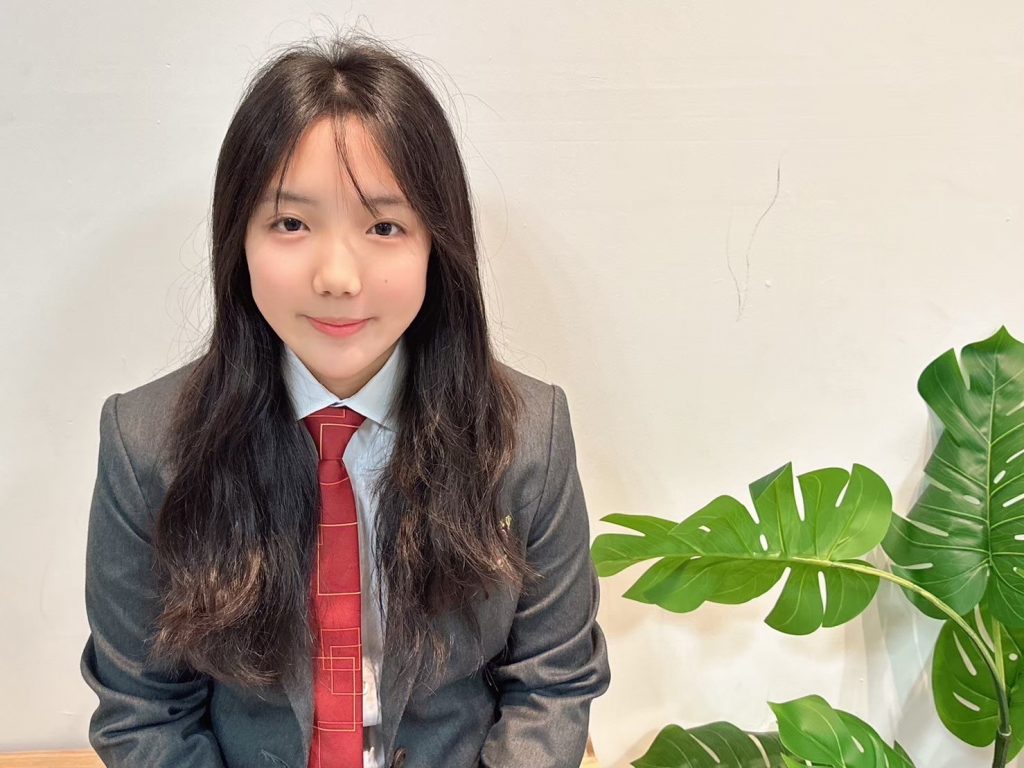
The facility’s commitment to safety stood out prominently during our visit. The implementation of such comprehensive safety measures not only protects the workers and equipment but also creates a secure working environment where employees can focus on their tasks without constant worry about potential hazards.
During our visit, I was struck by the contrast between this modern facility and traditional waste management methods. The SRF production process is remarkably clean and efficient, with multiple safeguards ensuring both worker safety and environmental protection. This approach represents a significant advancement over conventional waste treatment methods, particularly traditional incineration facilities, which often lack such sophisticated control systems. As a result, the director believes that people shouldn’t be criticizing SRF production and should focus more on other systems that lack a complete system for wastes that can’t be burnt. The director emphasized that proper waste sorting at the source significantly enhances the efficiency of their operations. This underscored the importance of public participation in the recycling process – when communities properly sort their waste, it enables facilities like Daqing to operate at maximum efficiency and produce higher-quality SRF.
This visit demonstrated how modern waste management can be both environmentally responsible and industrially efficient. The combination of advanced technology, comprehensive safety systems, and environmental protection measures makes Daqing Environmental Protection Enterprise a model for sustainable waste management in Taiwan and beyond. Their detailed planning on every process of converting wastes to SRF shows a deep commitment to both environment and the public making it environment-friendly.
Amber Chang
Our team’s recent visit to Dakim Environmental Protection Enterprise Co was both insightful and inspiring. During the session, the people from the company shared a detailed overview of their SRF production operations, from initial waste processing to the final production of solid recovered fuel (SRF). They explained their approach to handling industrial waste responsibly, targeting high-energy, combustible, and safe waste to convert into SRF. Observing their advanced machinery, especially the impressive “T-Rex” system provided by Finnish company BMH, showcased the innovative and efficient processes they use, such as zero-gap shearing, high-efficiency shredding, and various advanced separation technologies.
To begin with, one of the highlights of the visit was seeing how they manage quality control rigorously. They use ISO17025 standards in their lab to ensure SRF quality aligns with environmental and fuel standards, with additional checks for heat value, chlorine, and mercury content. The advanced automated systems, such as the crane visualization for precise waste handling and the magnetic and eddy current separators, demonstrated their dedication to minimizing pollutants while maximizing SRF production efficiency.
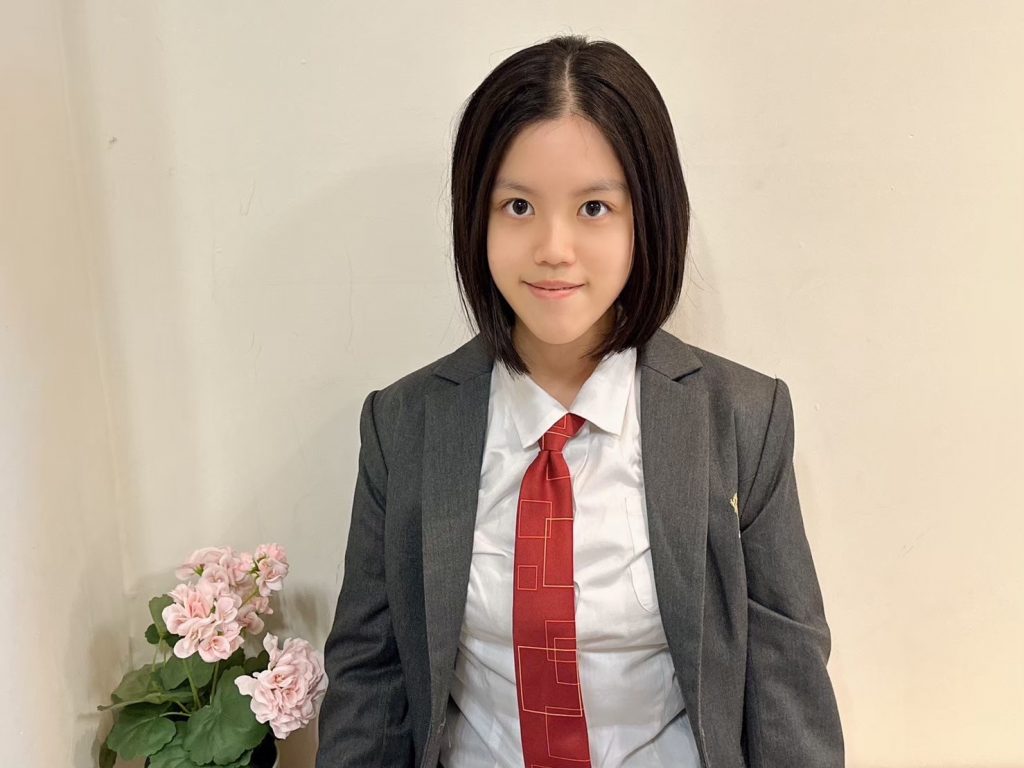
Beyond technical skills, I also appreciated their focus on sustainability. Dakim Environmental Protection Enterprise Co not only aims to replace coal with SRF to reduce CO2 emissions but also emphasizes the importance of environmental education. Their commitment to fostering community awareness about waste management and energy recovery is impressive, and I found it meaningful that they even encourage high school students to understand SRF and consider careers in environmental sectors.
This experience opened my eyes to the potential of SRF in Taiwan and globally as an alternative fuel solution, reducing the volume of waste in landfills and incinerators. To sum up, I gained a deep appreciation for the complexity and impact of SRF production and left feeling motivated to support environmental solutions that align with circular economy principles.
Melody Chen
On the day we visited Da Qing Company, we received a detailed explanation of the production process of SRF (Solid Recovered Fuel). From the advanced machinery in the “Tyrannosaurus” series to the selection of recyclable materials for fuel production, and finally the company’s future vision, the content was rich and thought-provoking. We had the opportunity to observe the full operation of the “Tyrannosaurus” system, including crushers, magnetic separators, eddy current separators, fine screens, and air classifiers, gaining a deep understanding of the entire set of equipment. During the visit, our group members asked the CEO numerous questions. The CEO mentioned that the inspiration to build an SRF plant came from recognizing the bottleneck faced by Taiwan’s industries.
The United Nations Sustainable Development Goals (SDGs), specifically Goal 9, Target 5, call for promoting inclusive and sustainable industrialization, with a significant increase in industrial employment and GDP by 2030, particularly aiming to double these in the least developed countries (LDCs). For Taiwan, achieving this goal is challenging. This is largely because environmental sustainability issues in Taiwan are often intertwined with concerns about safety and health. For example, in the case of SRF fuel, some people worry about the safety of burning SRF, fearing that it may release toxic substances or that turning plastic into fuel could exacerbate climate change. As a result, there is resistance to SRF.
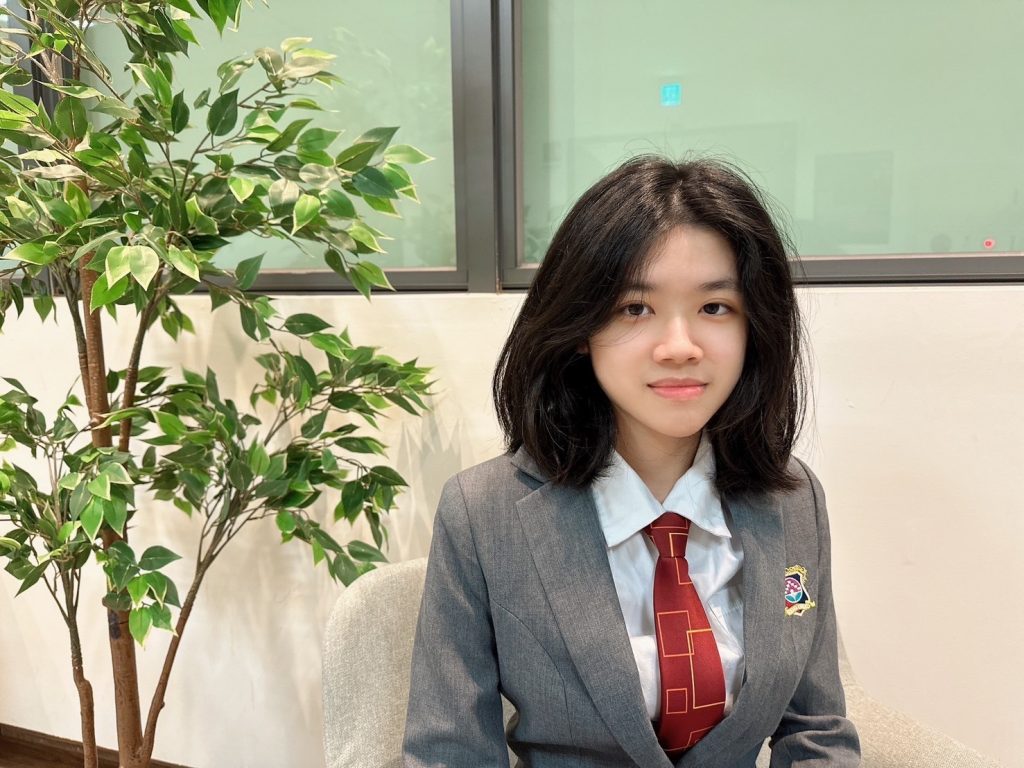
However, after this visit, I realized that SRF is not simply about burning waste. Instead, there are strict controls on the types of waste selected, especially in terms of managing toxic substances. More importantly, SRF primarily burns carbon that already exists in nature, so it doesn’t add to carbon emissions or accelerate climate change. Therefore, SRF fuel can, to a certain extent, be an effective solution to the contradiction between waste disposal and energy demand.
As we gained a deeper understanding of the SRF production process and its practical operations, we discovered the tremendous potential it holds. This visit not only gave me a more profound understanding of sustainable energy development but also prompted me to reflect on Taiwan’s role in achieving global sustainable industrialization goals. We need to break away from past limitations and seek breakthroughs from the perspectives of innovation and environmental protection, driving economic growth and environmental sustainability in tandem. The challenges ahead may be daunting, but as the CEO emphasized, if we seize the right opportunities, Taiwan can still carve out a new path on the road to sustainable development.