

STAKEHOLDER
A Different Perspective
A Company's Perspective
Regulatory Barriers and Inconsistent Policies
The SRF industry operates within a complex regulatory environment, often facing inconsistent policies and unclear classifications. In some regions, SRF is still categorized as waste rather than a valuable energy resource, leading to restrictions on its production, transportation, and utilization. These regulatory uncertainties discourage investment and slow down industrial growth.
High Initial Investment Costs
Developing SRF facilities requires substantial capital investment in advanced sorting, processing, and quality control technologies. While the long-term benefits are evident, many companies struggle to secure funding due to limited financial incentives and lack of government subsidies. Unlike traditional energy sectors that benefit from well-established financial frameworks, the SRF industry receives minimal support in terms of grants, tax reductions, or low-interest loans.
Limited Public Awareness and Market Demand
The perception of SRF as an alternative fuel remains underdeveloped. Many industries still hesitate to adopt SRF due to concerns over efficiency, reliability, and compliance with environmental standards. Additionally, there is insufficient public awareness of how SRF contributes to waste reduction and carbon neutrality, leading to a lack of policy-driven incentives for industries to transition.
Infrastructure and Supply Chain Gaps
A well-established waste collection and processing infrastructure is critical for producing high-quality SRF. However, inadequate waste segregation systems, inefficient logistics, and insufficient SRF-compatible industrial facilities pose serious challenges. Without proper government-led infrastructure improvements, the supply chain remains fragile, making large-scale SRF adoption difficult.

Public's Negative Perception
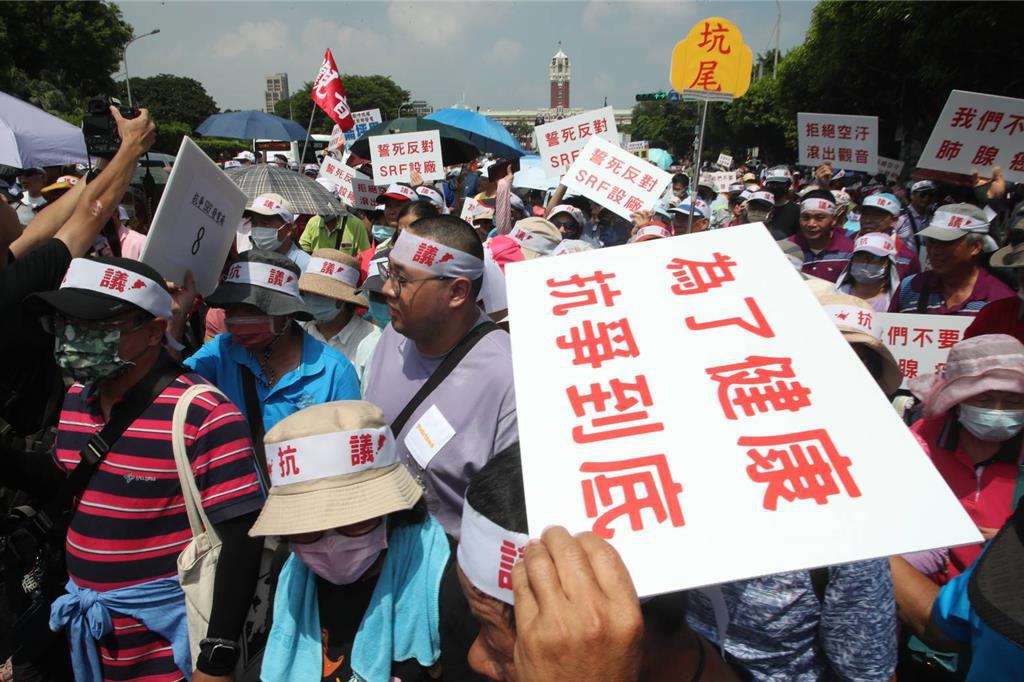
Hazardous air pollutant emissions, including: Dioxins, CO2, PFAS (per- and polyfluorinated alkyl substances), Lithium, Mercury, PM2.5, PM10. The emission of hazardous air pollutants is one of the most significant and high-profile topics among SRF, which is mainly caused by the remains of plastic products inside the burnt matter. Residents near treatment plants often protest against the use of SRF, as they are afraid of being impacted by the air pollutants. SRF is not considered an effective and efficient power-generating method. Although burning sources have been classified, burning petroleum-based plastic cannot be called green energy. Since the quality has not yet been assessed, commercialization remains relatively challenging.
What Can Government Do?
Creating Clear and Supportive Regulations
Governments should recognize SRF as a legitimate and sustainable energy source rather than classifying it as waste. Streamlining regulatory frameworks, setting standardized SRF quality criteria, and integrating SRF into national energy policies would encourage industrial adoption.
Providing Financial Incentives and Subsidies
Providing tax breaks, subsidies, and low-interest loans for SRF companies would lower entry barriers and encourage innovation. Additionally, creating carbon credit systems that reward industries using SRF could significantly drive demand.
Making More Investment in Infrastructure
Governments should invest in waste management infrastructure, advanced recycling facilities, and SRF-compatible industrial plants to ensure a stable and efficient supply chain. Collaboration with private sectors through public-private partnerships (PPPs) could accelerate infrastructure expansion.
Increasing Public Awareness Campaigns and Industrial Promotion
Raising public awareness about SRF’s environmental benefits and cost-effectiveness is crucial. Governments can promote SRF through educational campaigns, industry incentives, and mandatory waste segregation policies, ensuring a steady supply of high-quality raw materials for SRF production.
Integrating SRF into National and International Sustainability Goals
Governments must incorporate SRF into renewable energy policies, carbon neutrality roadmaps, and waste reduction targets. Encouraging industries to transition from coal and fossil fuels to SRF through mandatory energy transition policies can further drive market growth.
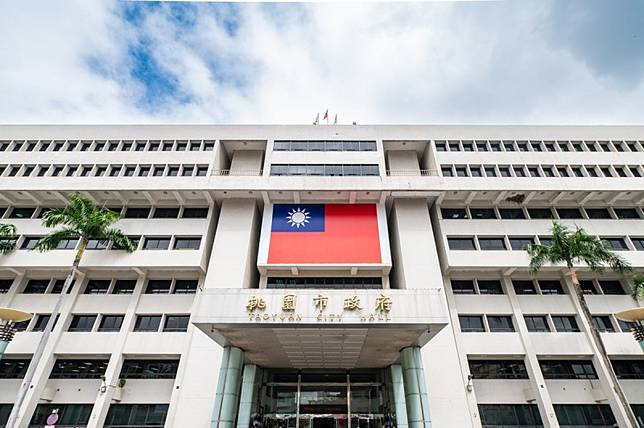
Taiwan’s first SRF factory is going to be established in Taoyuan.